

Clean emissions testing plays a crucial role in assessing the environmental impact of various vehicles and industrial processes. It is a vital component of modern environmental regulations and efforts to mitigate air pollution and its associated health and environmental risks. The primary objective of clean emissions testing is to measure the levels of harmful pollutants emitted by vehicles, machinery, and industrial facilities, ensuring that they comply with established emission standards.
Clean emissions testing involves the use of specialized equipment and methodologies to measure pollutants such as nitrogen oxides (NOx), carbon monoxide (CO), particulate matter (PM), volatile organic compounds (VOCs), and greenhouse gases. This testing is often conducted under controlled conditions, either in a laboratory setting or through on-road measurements, to accurately reflect real-world emissions. The collected data provides insights into the performance of different emission control technologies and guides policymakers in setting appropriate regulations to limit pollution.
The results of clean emissions testing have far-reaching implications. For vehicle manufacturers, it influences the design and development of engines and exhaust systems that meet emission standards. Governments and regulatory bodies utilize this data to monitor compliance, enforce regulations, and update emission standards as technology evolves. Ultimately, clean emissions testing plays a vital role in safeguarding public health, improving air quality, and mitigating the environmental impact of human activities by fostering the adoption of cleaner technologies and more sustainable practices.
Eco-Friendly Emissions Testing Solutions
Eco-friendly emissions testing solutions have emerged as a critical response to the environmental challenges posed by pollution and climate change. These innovative approaches focus on accurately assessing emissions while minimizing their own environmental footprint. One notable advancement is the adoption of remote sensing technologies, which allow emissions measurements to be taken from a distance, reducing the need for stationary testing facilities and decreasing disruption to traffic flow. This not only enhances convenience but also reduces the carbon footprint associated with transportation to testing centers.
Furthermore, the integration of data-driven technologies and artificial intelligence has significantly improved emissions testing efficiency and accuracy. Smart sensors and real-time data analysis enable continuous monitoring of vehicle emissions, providing instant feedback to drivers and identifying potential malfunctions promptly. This not only ensures the continuous compliance of vehicles but also empowers drivers to make eco-friendly choices based on real-time emissions data.
Innovations in testing protocols have also contributed to eco-friendliness. On-road emissions testing, for instance, allows vehicles to be assessed in real-world conditions, providing a more accurate representation of their environmental impact. This approach offers insights into emissions during different driving scenarios, helping to bridge the gap between laboratory testing and actual on-road performance. Ultimately, eco-friendly emissions testing solutions not only enhance the accuracy of assessments but also contribute to a more sustainable and cleaner future by reducing unnecessary resource consumption and promoting smarter, greener technologies.
Ensuring Low Emissions for a Greener Future

Ensuring low emissions is a pivotal step towards achieving a greener and more sustainable future. As concerns about air quality, climate change, and environmental health intensify, it becomes imperative to implement robust strategies that effectively limit the release of harmful pollutants into the atmosphere. One of the key approaches is the implementation of stringent emission standards for vehicles, industries, and power generation sources. These standards set specific limits on pollutants such as nitrogen oxides (NOx), particulate matter (PM), and greenhouse gases, pushing industries and technologies to adopt cleaner practices and technologies.
To further support this endeavor, governments and regulatory bodies play a crucial role in enforcing these standards and monitoring compliance. This involves the establishment of effective inspection and testing protocols, along with penalties for non-compliance. Regular emissions testing, whether through laboratory-based assessments or on-road measurements, helps identify vehicles or facilities that exceed the allowed limits, prompting corrective actions to be taken. Moreover, continuous advancements in emission control technologies, such as catalytic converters, diesel particulate filters, and hybrid/electric propulsion systems, contribute significantly to reducing emissions at the source.
Education and public awareness campaigns also have a pivotal role to play in ensuring low emissions. By informing individuals about the environmental and health impacts of high emissions, these initiatives encourage eco-friendly behaviors and choices. Transitioning to cleaner transportation options, adopting energy-efficient practices, and supporting renewable energy sources are all essential steps individuals can take to contribute to a greener future. Collectively, through the concerted efforts of governments, industries, and individuals, achieving low emissions becomes not only a goal but a vital commitment for a more sustainable planet.
Accurate Emissions Testing for Cleaner Air
Accurate emissions testing stands as a cornerstone in the pursuit of cleaner air and a healthier environment. The process involves sophisticated methodologies and technologies designed to precisely measure the pollutants emitted by vehicles, industrial facilities, and other sources. The data collected through these tests provides crucial insights into the actual environmental impact of these sources, enabling informed decision-making and the formulation of effective pollution control measures.
One of the primary benefits of accurate emissions testing is its role in validating the performance of emission control technologies. By comparing the measured emissions against established standards, regulators can ensure that vehicles and industries are employing the necessary measures to limit their pollution output. This incentivizes the adoption of cleaner technologies, such as hybrid and electric vehicles, as well as the implementation of advanced exhaust aftertreatment systems in combustion engines.
Moreover, accurate emissions testing helps identify outliers and sources of excessive pollution, enabling targeted interventions to improve air quality. Regular testing and monitoring programs allow for the early detection of emission-related issues in vehicles and equipment, preventing them from becoming significant contributors to pollution over time. Overall, accurate emissions testing serves as an indispensable tool in the ongoing efforts to combat air pollution, mitigate climate change, and create a more sustainable future for generations to come.
Comprehensive Emissions Analysis Services
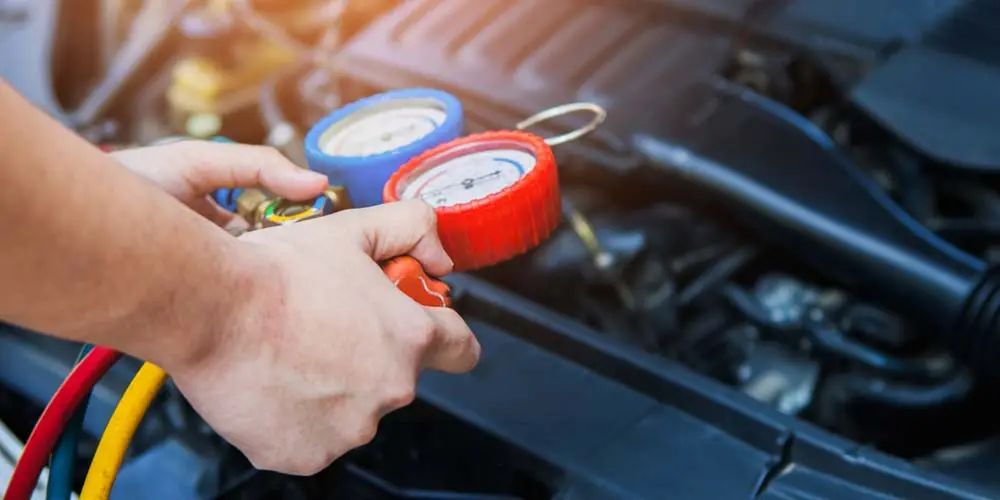
Comprehensive emissions analysis services play a vital role in evaluating the environmental impact of various sources of pollution and in devising effective strategies for reducing emissions. These services encompass a range of specialized techniques and methodologies aimed at measuring and assessing the pollutants released into the atmosphere by vehicles, industries, power plants, and other sources. By offering in-depth insights into the composition and quantity of emitted pollutants, comprehensive emissions analysis services provide the data necessary for informed decision-making and policy formulation.
One key aspect of these services is their ability to conduct both laboratory-based and real-world emissions testing. Laboratory testing allows for controlled conditions and precise measurements, aiding in the development and validation of emission control technologies. On the other hand, real-world testing, which may involve on-road measurements or remote sensing techniques, provides a more accurate reflection of emissions under actual operating conditions. This holistic approach ensures that emissions analysis captures a wide spectrum of scenarios, allowing for a more accurate representation of the environmental impact.
Furthermore, these services contribute to compliance monitoring and regulatory enforcement. By comparing the measured emissions against established emission standards, regulatory bodies can assess whether sources are meeting their legal obligations. This proactive approach helps maintain air quality standards and incentivizes the adoption of cleaner technologies. Comprehensive emissions analysis services also support research and development efforts, guiding the design of more efficient and environmentally friendly vehicles, machinery, and industrial processes. Ultimately, these services pave the way for a cleaner and more sustainable future by providing the necessary information for targeted pollution reduction strategies and informed environmental policies.
Meeting Environmental Standards with Emissions Testing
Meeting environmental standards through emissions testing is a pivotal component of global efforts to combat air pollution, safeguard public health, and mitigate the impacts of climate change. Emissions testing serves as a critical tool in assessing the compliance of vehicles, industries, and other sources with established emission regulations. By measuring the levels of pollutants released into the atmosphere, such as nitrogen oxides (NOx), particulate matter (PM), and carbon dioxide (CO2), these tests ensure that sources are operating within permissible limits and not exacerbating environmental degradation.
One of the key benefits of emissions testing is its role in holding industries and manufacturers accountable for their environmental impact. Stringent emission standards set by regulatory bodies compel manufacturers to invest in research and development of cleaner technologies. Emissions testing verifies the effectiveness of these technologies in real-world conditions, driving the adoption of innovative solutions like electric and hybrid vehicles, as well as low-emission industrial processes.
Moreover, emissions testing contributes to transparency and public awareness. When sources comply with environmental standards, it demonstrates a commitment to responsible practices, instilling public trust. Conversely, cases of non-compliance are highlighted through emissions testing, prompting corrective actions and enabling the public to advocate for cleaner air and a healthier environment. By enforcing adherence to environmental standards, emissions testing plays a pivotal role in improving air quality, mitigating climate change, and promoting the transition towards more sustainable and eco-friendly practices across various sectors.
Improving Air Quality through Emissions Assessment
Improving air quality is a critical goal that can be achieved through rigorous emissions assessment practices. Emissions assessment involves the systematic evaluation of pollutants released into the atmosphere from various sources such as vehicles, industries, and power plants. By analyzing the composition and quantity of these pollutants, emissions assessment provides a clear understanding of the factors contributing to air pollution, allowing for targeted interventions and strategies to enhance air quality.
Emissions assessment plays a key role in identifying pollution “hotspots” and sources of high emissions. This information enables regulatory bodies and policymakers to prioritize areas and industries that require immediate attention to mitigate the adverse effects of pollution on public health and the environment. By quantifying the contributions of different sources to overall air pollution, emissions assessment guides the allocation of resources and the development of effective pollution control measures.
Furthermore, emissions assessment serves as a foundation for evidence-based decision-making. Data gathered from comprehensive emissions analysis empowers regulators, industries, and communities to make informed choices about pollution reduction strategies. These strategies may involve the enforcement of stricter emission standards, incentivizing the adoption of cleaner technologies, and promoting sustainable transportation options. Ultimately, by identifying areas of concern, quantifying emissions, and guiding the formulation of effective policies, emissions assessment plays a crucial role in the ongoing efforts to improve air quality and create healthier environments for people and ecosystems.
Advanced Emissions Testing Technology

Advanced emissions testing technology represents a significant leap forward in accurately assessing and managing the environmental impact of various sources of pollution. These technologies utilize cutting-edge methodologies, instruments, and data analysis techniques to provide more precise and comprehensive measurements of pollutants released into the air. By leveraging the capabilities of modern technology, advanced emissions testing enhances our understanding of pollution sources and contributes to the development of effective mitigation strategies.
One noteworthy advancement is the integration of remote sensing technologies into emissions testing. Remote sensing allows for the measurement of emissions from vehicles and sources without direct physical contact, reducing disruptions to traffic flow and providing real-time data. This innovation is particularly valuable for monitoring emissions on busy roads and highways, enabling a more holistic assessment of emissions from a wide range of vehicles under actual operating conditions.
Moreover, the incorporation of data-driven approaches and artificial intelligence (AI) has revolutionized emissions testing. AI-powered algorithms can analyze large datasets and identify trends, patterns, and anomalies in emissions data, providing insights that might have been overlooked using traditional methods. This not only improves the accuracy of emissions assessments but also supports rapid decision-making by providing actionable insights based on real-time data analysis.
Advanced emissions testing technology also fosters innovation in emission control solutions. By accurately measuring emissions and their constituents, researchers and engineers can develop more effective pollution control technologies tailored to specific pollutants and sources. This synergy between advanced testing and technology-driven solutions contributes to a cleaner environment and more sustainable practices across industries and transportation sectors.
Transparent Emissions Evaluation for Responsible Driving
Transparent emissions evaluation has emerged as a crucial tool for promoting responsible driving and empowering individuals to make environmentally conscious choices. With the growing awareness of air pollution’s impacts on health and the environment, providing drivers with accurate and accessible information about their vehicle’s emissions is essential in fostering a more sustainable transportation culture.
By integrating emissions monitoring systems into vehicles, drivers can receive real-time feedback on their emissions performance. This transparency not only raises awareness about the environmental consequences of driving habits but also encourages drivers to adopt fuel-efficient and eco-friendly practices. For instance, immediate alerts about excessive emissions could prompt drivers to address issues like engine malfunctions or driving patterns that lead to higher pollution output, ultimately reducing their carbon footprint.
Moreover, transparent emissions evaluation contributes to regulatory compliance and accountability. As emission standards become more stringent, vehicles equipped with emission monitoring technology can demonstrate compliance with legal requirements. This helps create a level playing field for manufacturers and supports efforts to enforce emission regulations effectively.
In conclusion, transparent emissions evaluation empowers drivers to take an active role in reducing pollution and contributing to a greener future. By providing real-time data on emissions and encouraging responsible driving habits, this approach aligns with broader environmental goals and helps shape a more sustainable transportation landscape.

